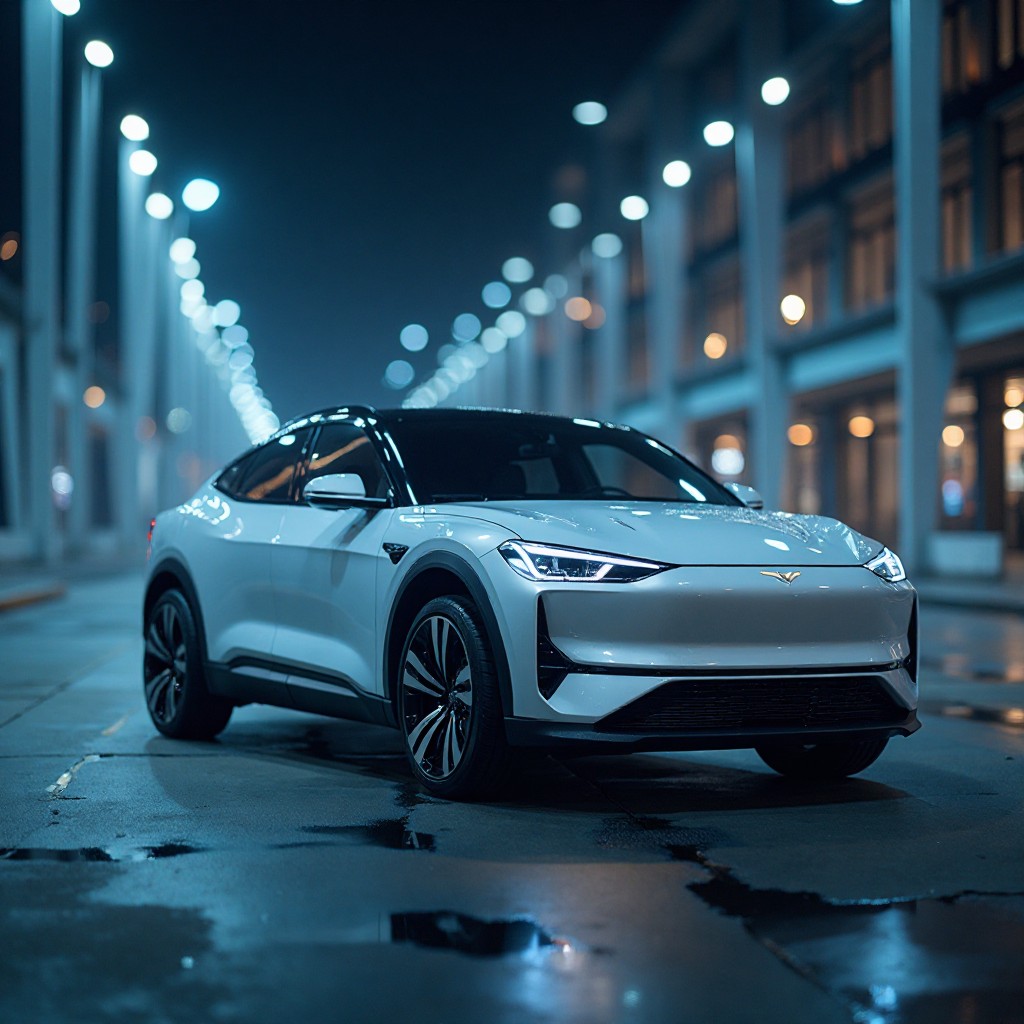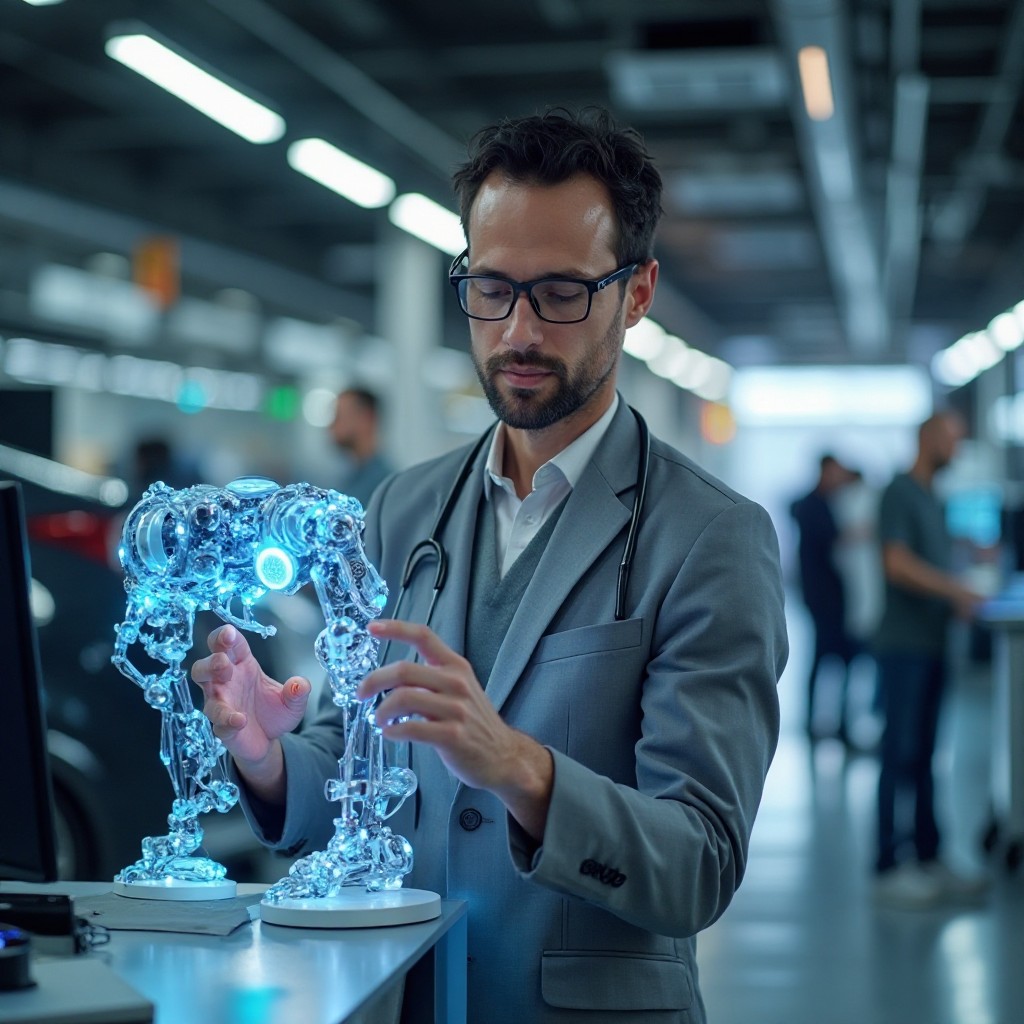
The automotive industry stands at the precipice of its most significant transformation since the invention of the assembly line. Artificial intelligence and machine learning technologies are fundamentally reshaping every aspect of vehicle design, manufacturing, operation, and maintenance. From autonomous driving systems to predictive maintenance algorithms, AI is not just enhancing existing processes—it's creating entirely new paradigms for how we think about transportation and mobility.
Autonomous Driving: The AI Revolution on Wheels
Self-driving technology represents perhaps the most visible application of AI in automotive. Modern autonomous vehicles leverage deep neural networks to process terabytes of sensor data from cameras, LiDAR, radar, and ultrasonic sensors in real-time. These systems must make split-second decisions that account for road conditions, traffic patterns, pedestrian behavior, and countless unpredictable variables.
Companies are now deploying Level 3 and Level 4 autonomous systems in production vehicles, with AI models trained on billions of miles of real-world driving data. Computer vision algorithms can identify objects, predict trajectories, and understand complex traffic scenarios with accuracy that rivals—and in some cases exceeds—human drivers. The computational requirements are staggering, with some autonomous vehicles processing over 1GB of data per second through specialized AI chipsets.
Predictive Maintenance and Diagnostics
AI-powered predictive maintenance systems are revolutionizing fleet management and vehicle reliability. By analyzing sensor data from engines, transmissions, brakes, and other critical components, machine learning models can predict component failures days or weeks before they occur. This shift from reactive to proactive maintenance reduces downtime by up to 50% and extends vehicle lifespan significantly.
Modern vehicles equipped with telematics systems continuously stream diagnostic data to cloud-based AI platforms. These systems employ anomaly detection algorithms, time-series analysis, and pattern recognition to identify subtle deviations from normal operating parameters. For fleet operators managing thousands of vehicles, this intelligence translates directly into millions of dollars in cost savings and improved operational efficiency.
Manufacturing Intelligence and Quality Control
AI has transformed automotive manufacturing floors into smart factories where computer vision systems inspect every weld, paint finish, and component assembly with superhuman precision. Deep learning models trained on millions of images can detect microscopic defects that would escape human inspectors, ensuring unprecedented quality standards while reducing inspection time by 90%.
Robotic systems powered by reinforcement learning algorithms optimize assembly line processes in real-time, adapting to variations in components and adjusting their movements with sub-millimeter precision. These intelligent systems can handle complex tasks like cable routing and soft material handling that previously required human dexterity, dramatically improving manufacturing consistency and throughput.
Personalized Driving Experiences
AI enables vehicles to learn driver preferences and adapt accordingly, creating truly personalized driving experiences. Natural language processing allows drivers to control vehicle functions through conversational interfaces, while recommendation systems suggest optimal routes, charging stations, or maintenance schedules based on driving patterns and historical data.
Driver monitoring systems use computer vision and biometric sensors to detect fatigue, distraction, or impairment, proactively intervening to prevent accidents. These systems analyze facial expressions, eye movements, head position, and steering patterns to assess driver state with remarkable accuracy, potentially saving thousands of lives annually.
The Road Ahead
As AI technology continues to evolve, its impact on the automotive sector will only deepen. Edge computing and 5G connectivity will enable more sophisticated real-time processing, while advances in explainable AI will help build trust in autonomous systems. The convergence of AI with electric vehicle technology, smart city infrastructure, and shared mobility platforms promises to fundamentally reimagine urban transportation within the next decade.
For automotive companies, embracing AI is no longer optional—it's essential for survival in an increasingly competitive and technologically sophisticated market. Those who successfully integrate AI throughout their value chains will define the future of mobility, while those who hesitate risk obsolescence in an industry undergoing its most dramatic transformation in over a century.
About the Author: Alex Thompson is CEO and Co-Founder of AI Creators, with over 15 years of experience in automotive AI systems and machine learning architecture. He has led the development of AI solutions for major automotive manufacturers and holds multiple patents in predictive maintenance algorithms.